
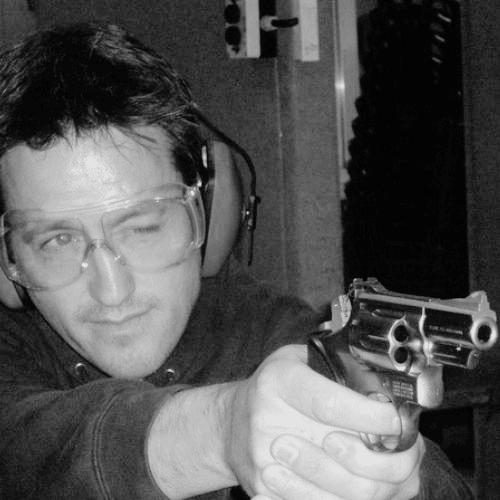
In today’s unpredictable world, knowing how to defend oneself is an essential skill that promotes safety and confidence. Self-defence training can provide individuals with the tools and techniques required to protect themselves in threatening situations. This article will explore various aspects of training for self-defence, particularly focusing on self defence instructor training, which plays a crucial role in establishing a solid foundation for personal safety.
Understanding Self-Defence Training
Self-defence training isn’t just about learning how to throw a punch or execute a kick; it involves a comprehensive understanding of personal safety, situational awareness, and conflict resolution techniques. This training equips individuals with the ability to assess risks and react appropriately, based on the circumstances.
The Importance of a Qualified Instructor
One of the most important factors in effective self-defence training is the quality of instruction. Self defence instructor training is critical, as it ensures that trainers are knowledgeable about various martial arts techniques and psychological strategies for avoiding conflict. A well-trained instructor can impart valuable skills and techniques while also fostering an environment of respect and accountability.
Components of Self-Defence Training
When approaching self-defence training, there are several key components to consider:
1. Physical Conditioning
Physical fitness is fundamental to self-defence training. Building strength, flexibility, and endurance through regular exercise enhances the body’s ability to perform various techniques and manage confrontations effectively. Many self defence instructor training programmes incorporate physical conditioning routines to prepare students for the demands of self-defence.
2. Techniques and Skills
Learning practical techniques is the cornerstone of any self-defence curriculum. These can include:
- Striking techniques: Such as punches and kicks which can incapacitate an attacker.
- Joint locks and grappling: To control or neutralise an aggressor’s actions.
- Escaping techniques: Focused on breaking free from holds and finding a way to safety.
A skilled self defence instructor will tailor their lessons to the students’ abilities and adaptability, allowing for a well-rounded training experience.
3. Awareness and Prevention
Awareness is often the first line of defence. Self-defence training emphasises the importance of being aware of one’s surroundings and the potential for threats. Students learn to identify risky situations and how to avoid them before they escalate. Techniques such as maintaining eye contact, being mindful of body language, and trusting one’s instincts often form part of this training.
Psychological Preparation
Self-defence is as much mental as it is physical. One of the unique aspects of self defence instructor training is preparing students mentally for the possibility of a confrontation. This involves teaching techniques to cultivate confidence, manage fear, and make quick, informed decisions under pressure. Role-playing scenarios can be an effective way to engage students in this mental training, simulating real-life situations where they may need to apply what they have learned.
Choosing the Right Self-Defence Class
When looking for a self-defence class, it’s crucial to consider the following factors:
1. Credentials of the Instructor
Ensure that the instructor has completed a formal self defence instructor training programme. Their experience and qualifications can significantly influence the quality of the training provided.
2. Class Structure
Different classes focus on various techniques and approaches to self-defence. Look for a program that offers a blend of practical techniques, physical conditioning, and psychological preparation.
3. Environment and Culture
Attend trial classes if possible. Assess whether the environment is welcoming and supportive. It’s important to learn in a space where respect for each participant is paramount.
Final Thoughts
Training for self-defence is a valuable investment in personal safety and empowerment. Through effective self defence instructor training, students gain the knowledge and skills necessary to protect themselves while fostering confidence in their ability to handle potentially dangerous situations. Remember, self-defence training is an ongoing journey; the more you practice, the better prepared you will be should the need ever arise. Start your journey towards safety today – because being prepared is the best form of self-defence.